The Charm of Kanazawa Castle Park
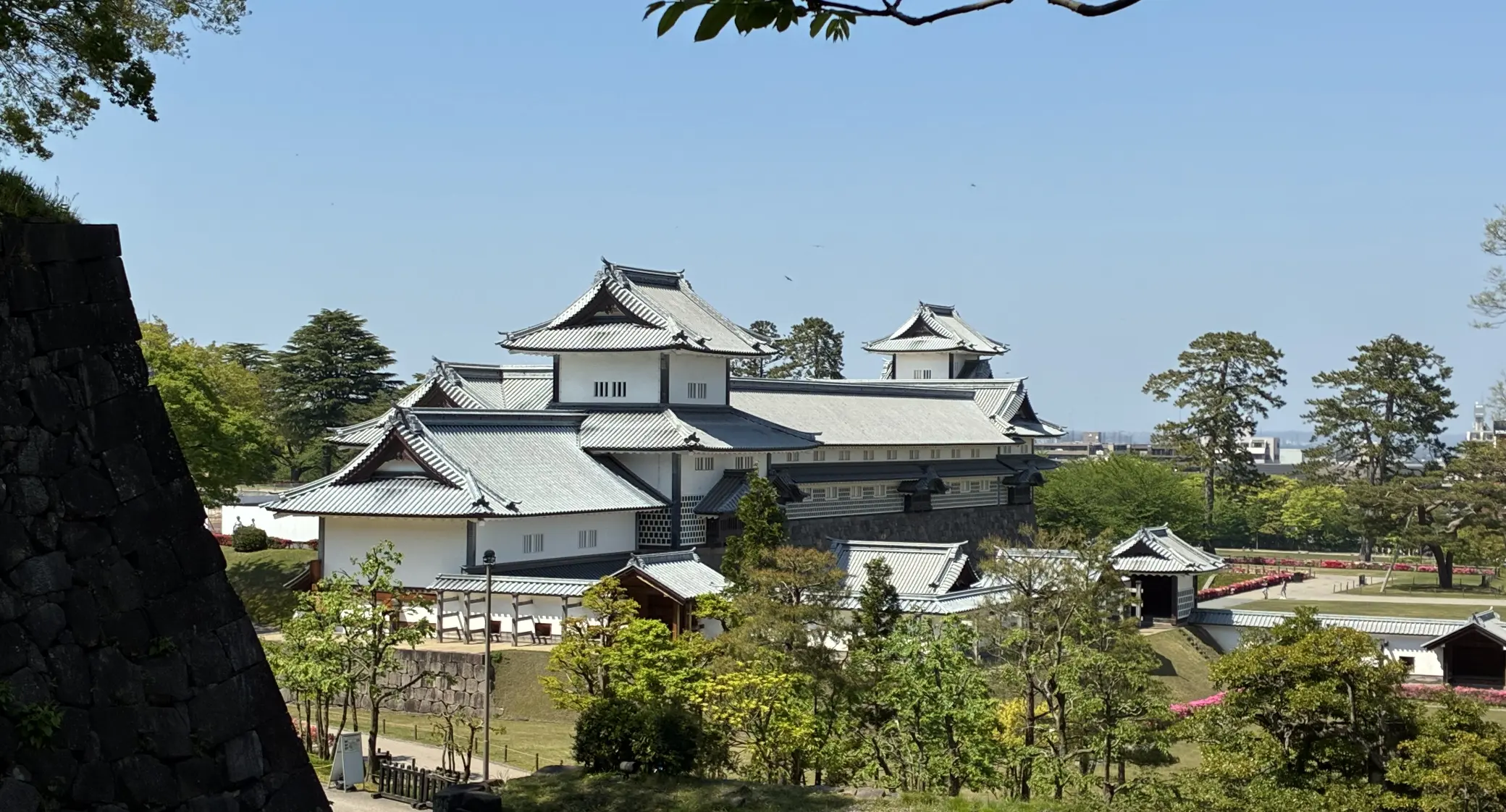
The Castle of the Maeda Clan, the Most Powerful Daimyo of the Edo period
Kanazawa Castle was the seat of the Maeda clan, the daimyo (feudal lords) who ruled the Hokuriku region (present-day Ishikawa and Toyama prefectures).
The Maeda clan governed this region for over 300 years, since Maeda Toshiie, the fist lord, entered the castle in 1583 until the 14th lord, Maeda Yoshiyasu, surrendered it to the new government in 1869, developing in tandem with the castle town.
Although Maeda Toshiie built the tenshu during the castle's early construction period, it was destroyed by a lightning strike before the Edo period and was never rebuilt.
The castle still retains its highly skilled stone walls, lead-tiled roofs, and distinctive exterior walls known as namako walls.
It is a nationally designated historical site, and stands as a model example of early modern Japanese castle construction
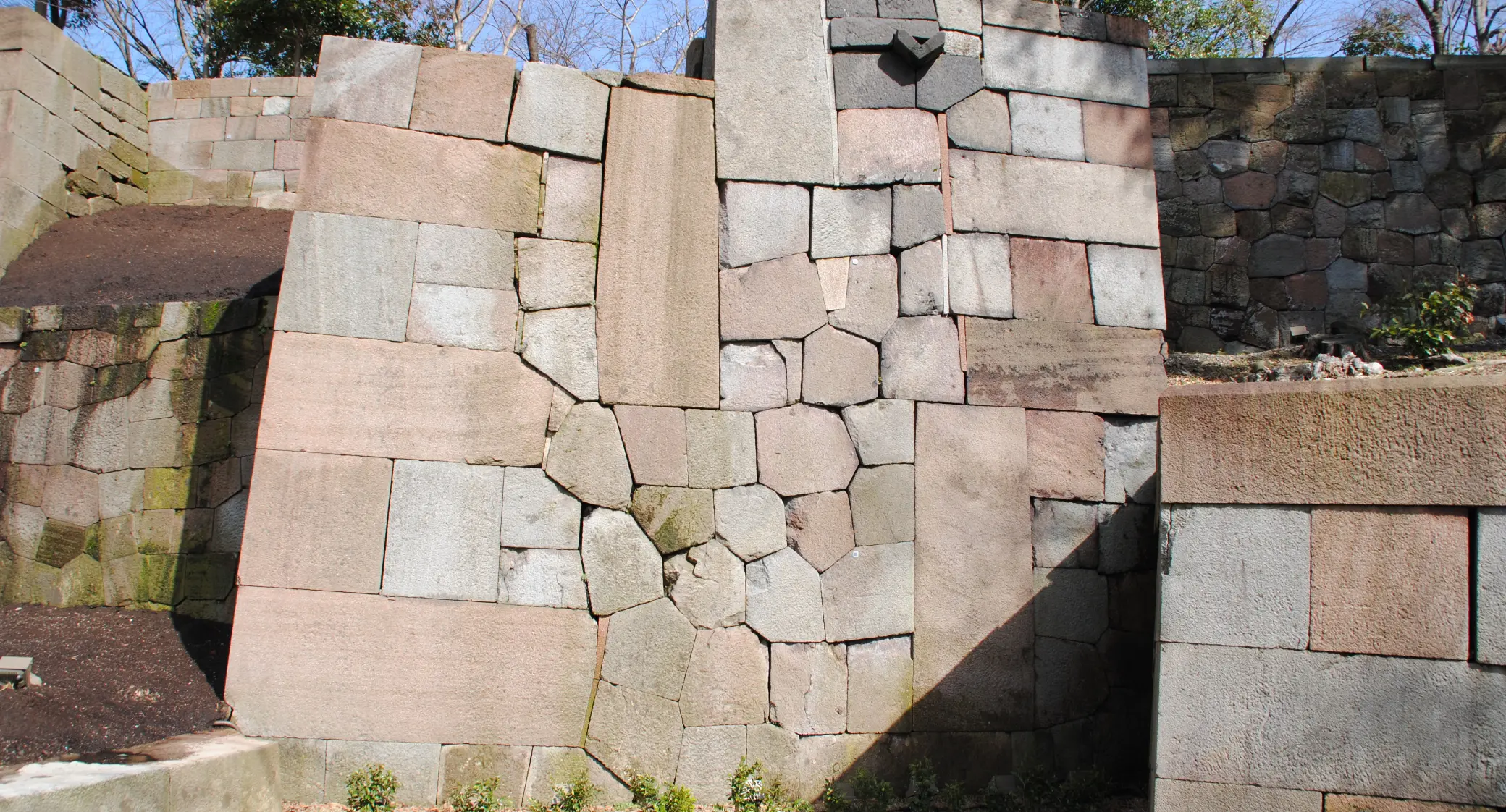
Stone Walls Showing Advanced Castle-Building Techniques
Kanazawa Castle's stone walls are known as the "museum of stone walls" due to having well preserved walls from the castle's initial construction to the end of the Edo period.
The stones used are "Tomuro stones" quarried from Mt. Tomuro, located around 10 km south of the castle.
The contrast between the reddish-gray stones and the bluish-gray stones lends a beauty to the walls.
Furthermore, some of the stone walls, such as the “Shikishitanzaku-zumi Stone Wall” in the Gyokusen'inmaru Garden, which were constructed with a heavy emphasis on artistic expression, are representatitve of the unique charm not seen in other castles.
A tour of the various stone walls of the castle is available, allowing visitors to enjoy the "museum of stone walls".
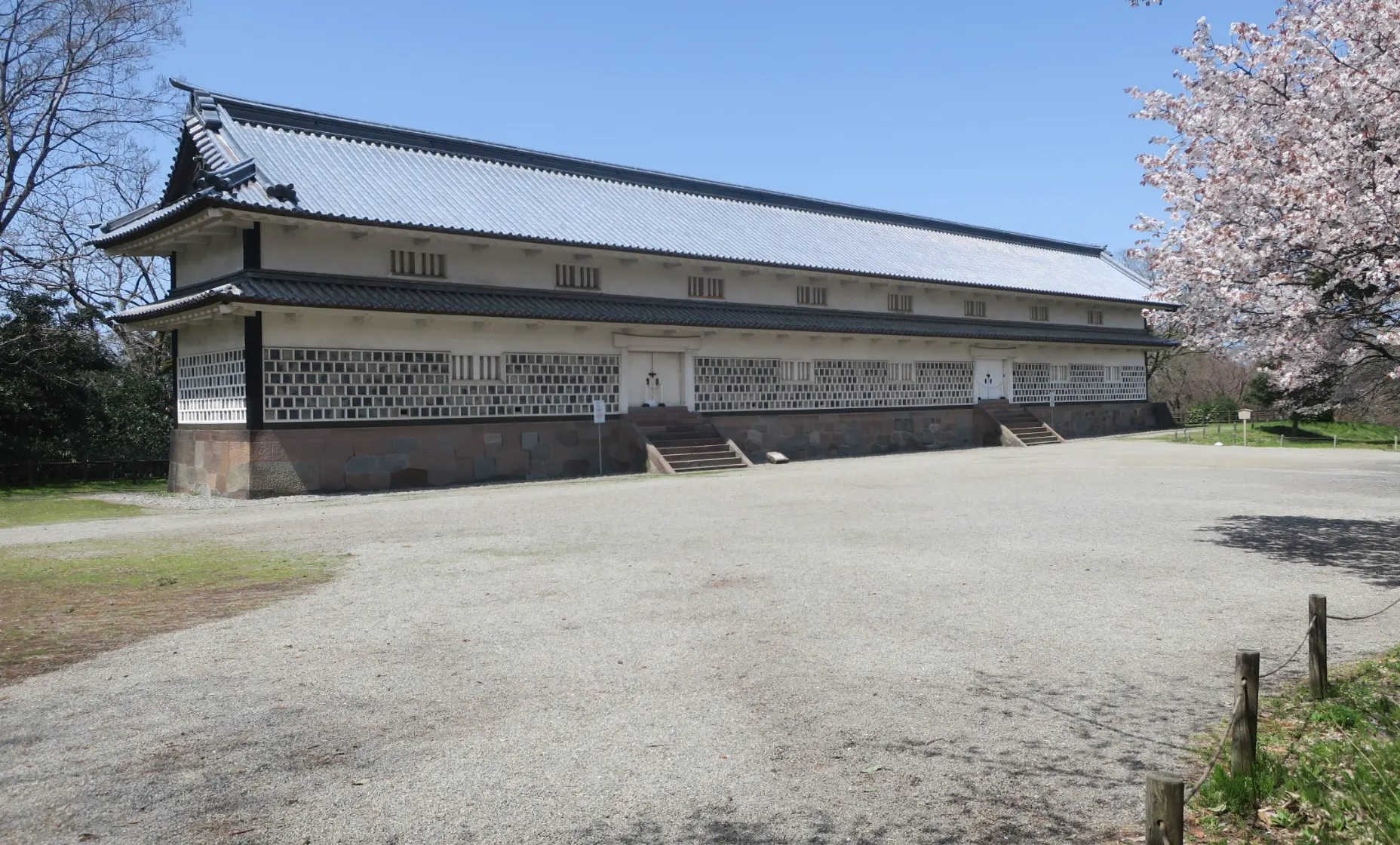
Structures preserved since the Edo Period
Three structures at Kanazawa Castle still remained from the Edo period, each a Designated Important Cultural Properties of Japan.
Built in 1788, Ishikawa-mon Gate is the oldest surviving structure within the castle grounds.
Its lead-tiled roof and namako walls exemplify the architectural features of Kanazawa Castle's various structures, and are a beloved symbol of the castle.
Sanjikken-nagaya Storehouse, built in 1858 near the end of the Edo period, served as both a storehouse and a defensive wall.
Like Ishikawa-mon Gate, it features a lead-tiled roof and namako walls.
While various other Nagaya of different lengths existed within the castle grounds during the Edo period, Sanjikken-nagaya Storehouse is the only one that remains.
Tsurumaru Storehouse was also built around the end of the Edo period in 1848 and is one of the largest earthen storehouses surviving in a castle complex in Japan.
These structures not only form part of visual landscape of Kanazawa Castle but are also valuable historical heritage sites that demonstrate Edo period castle construction techniques for us in the present day.
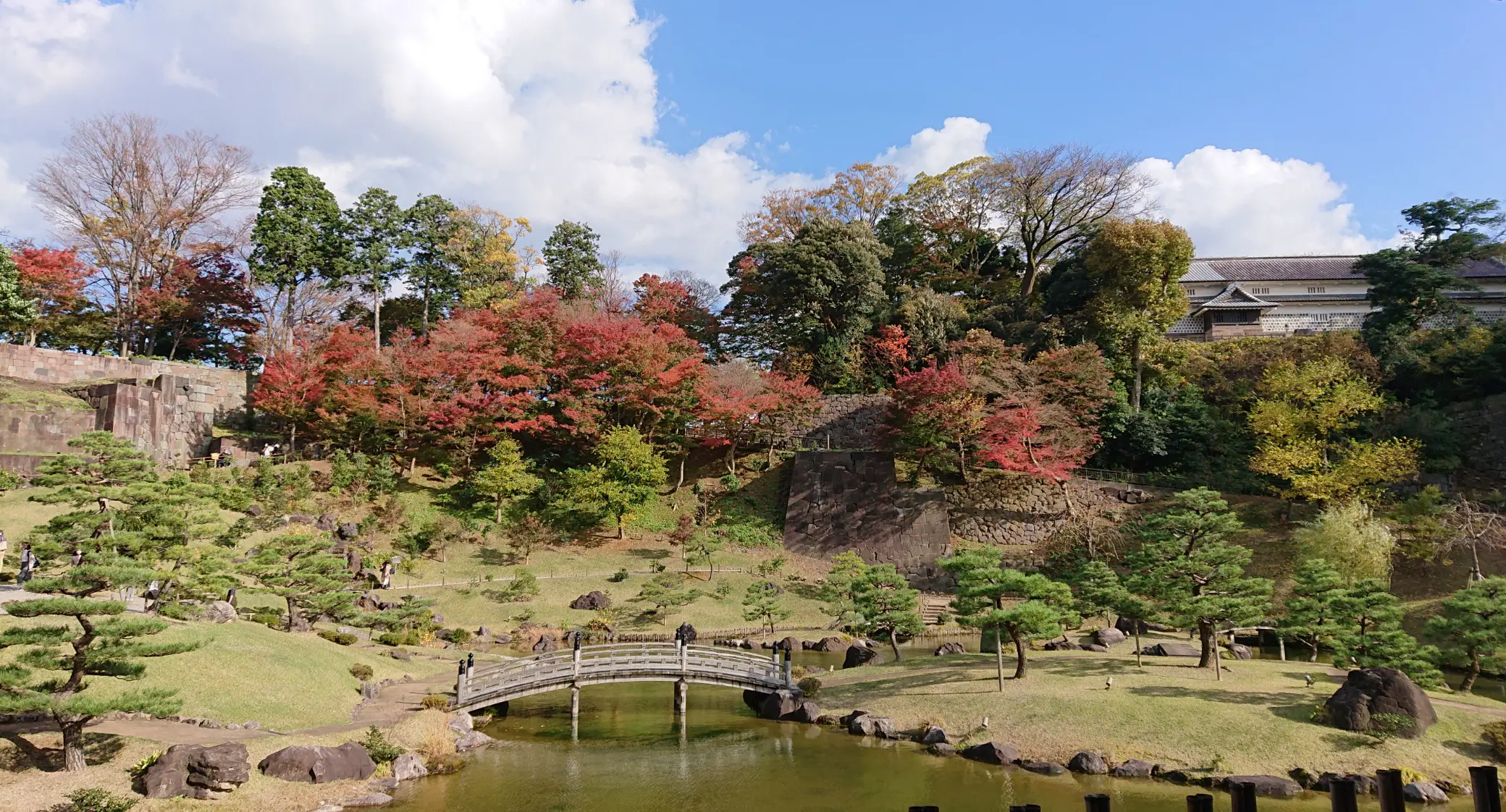
The Beauty of the Daimyo Gardens, the Colors of the Seasons
Kanazawa Castle features two daimyo gardens: one is Kenrokuen Garden, located outside the castle walls, and the other is Gyokusen'inmaru Garden, located inside. They were first constructed by the third lord, Maeda Toshitsune, and existed until the end of the Edo period, having been modified by successive domain lords.
They are unique and original gardens, unparalleled among Japanese gardens, featuring a design which makes use of varying elevations, and highly artistic stone walls, such as the "Shikishitanzaku-zumi Stone Wall" integrated with a waterfall, as key elements of its layout.
Although the gardens were lost after the Meiji period, they were reconstructed in 2015 based on historical materials, such as Edo-period drawings, and the findings from archaeological surveys.
Visitors can enjoy various seasonal views of the gardens, including autumn foliage, winter yukizuri (tree scaffolding), and nighttime illuminations.
A Place for the People
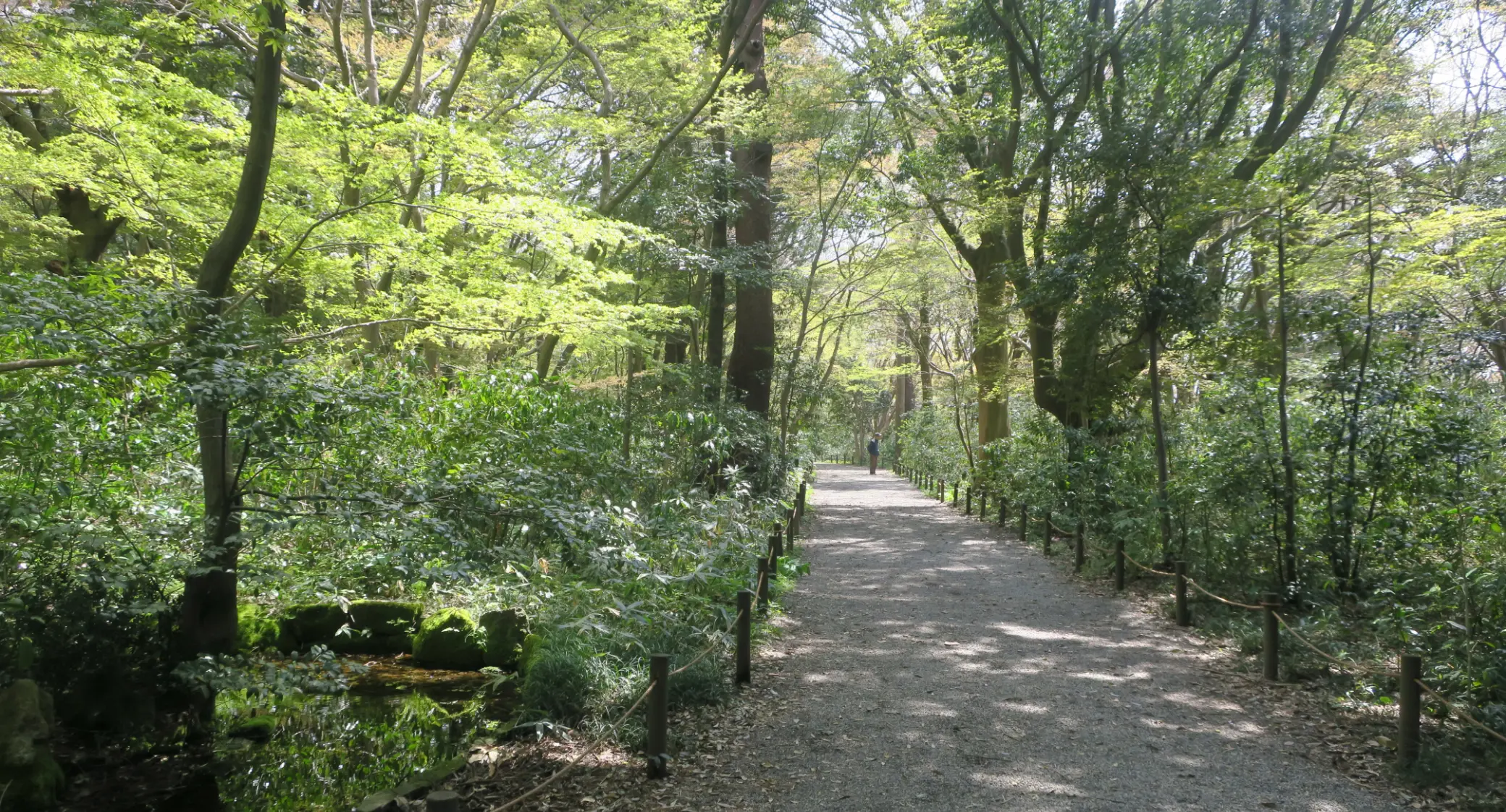
Kanazawa Castle Park, serves as a precious green space preserved within the city and a place of relaxation for residents, with the lush groves of Honmaru, open and spacious greens, and the waterside of Shissei-en (Water Garden). Its charm lies in offering enjoyable walks and jogs while experiencing the seasonal colors, such as spring cherry blossoms and autumn foliage.
Visitors during cherry blossom season can enjoy an illuminated nighttime view of the roughly 400 chearry blossom trees in the park.

Restoration continues
Ishikawa Prefecture is continually maintaining and making progress in restoring Kanazawa Castle. This began with the completion of Hishi-yagura Turret, Gojikken-nagaya Storehouse and Hashizume-mon Tsuzuki Yagura Turret in 2001. The restoration work is based on the condition of the castle during the late Edo period, paying due respect to the historical facts.
| 2001 | Completion of Hishi-yagura Turret, Gojikken-nagaya Storehouse, Hashizume-mon Tsuzuki-yagura Tureet, Hashizume-mon Gate (1st Gate), Tsurunomaru Earthen Wall, and Uchibori Moat |
|---|---|
| 2010 | Completion of Kawakita-mon Gate and Irimori-bori Moat |
| 2015 | Completion of Hashizume-mon Gate (2nd Gate) and Gyokusen'inmaru Garden |
| 2020 | Completion of Nezumita-mon Gate and Nezumita-mon-bashi Bridge |
| 2025 | Commencement of Phase 1 Restoration of Ninomaru Palace |