Characteristics of Kanazawa Castle
Characteristics of the Castle Layout

Characteristics of the Structures
Architectural structures of Kanazawa Castle—such as the Ishikawa-mon Gate and the Sanjikken-nagaya Storehouse—are characterized by their distinctive appearance: roofs covered with lead tiles, exterior walls finished with white plaster, and namakokabe–style lower walls.
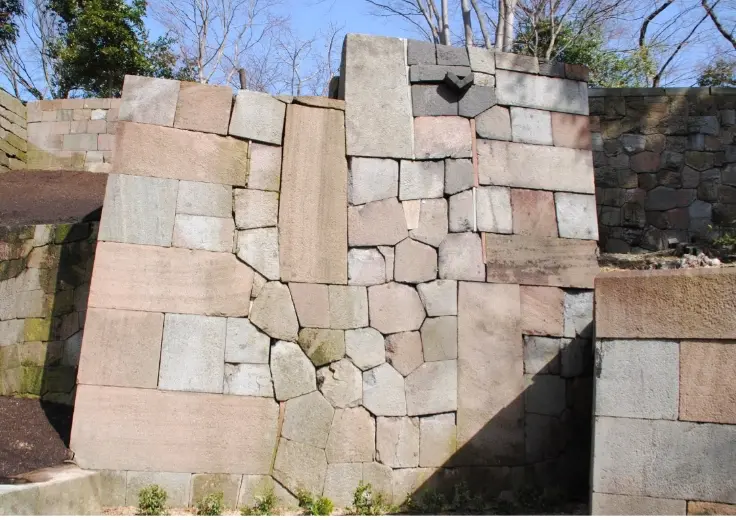
Combined with the contrasting colors of the stone foundations—built from reddish Akatomuro stone and bluish Aotomuro stone—the beauty of these structures is one of the defining charms of Kanazawa Castle.

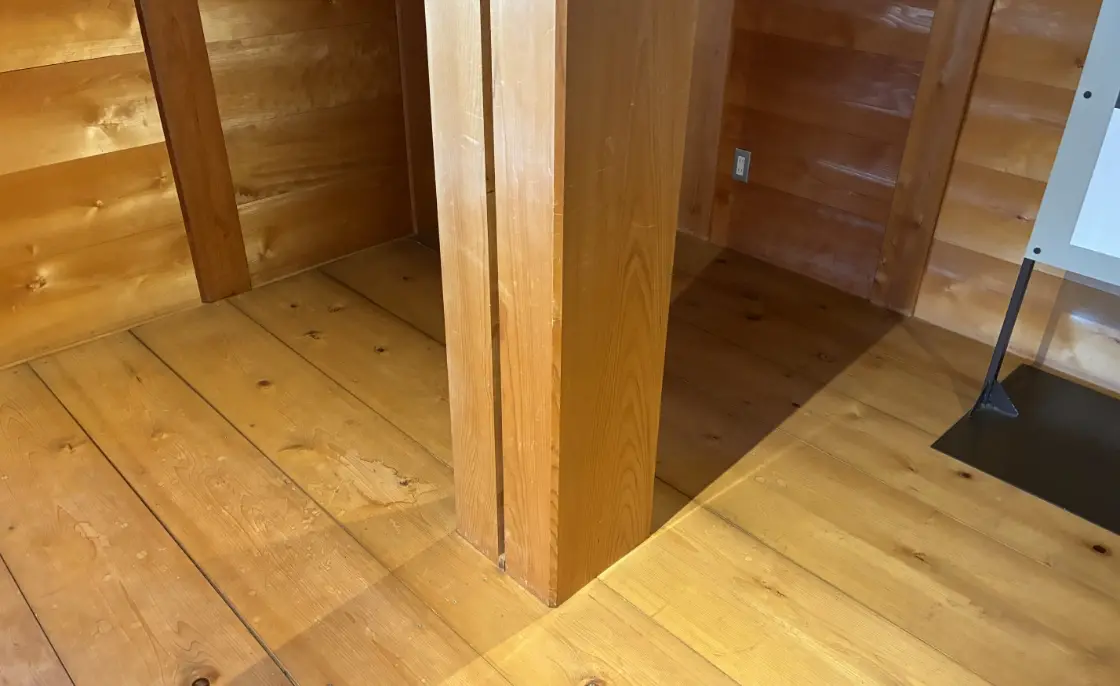
The turrets of the Ishikawa Gate and the reconstructed Hishi-yagura Turret in the Ninomaru are distinguished by their rhombus-shaped structural elements, including the pillars—a feature that requires highly advanced craftsmanship. The Hishi-yagura Turret in the Ninomaru is built using rhombus shapes of 80 and 100 degrees, and visitors can observe this unique construction technique inside the building.
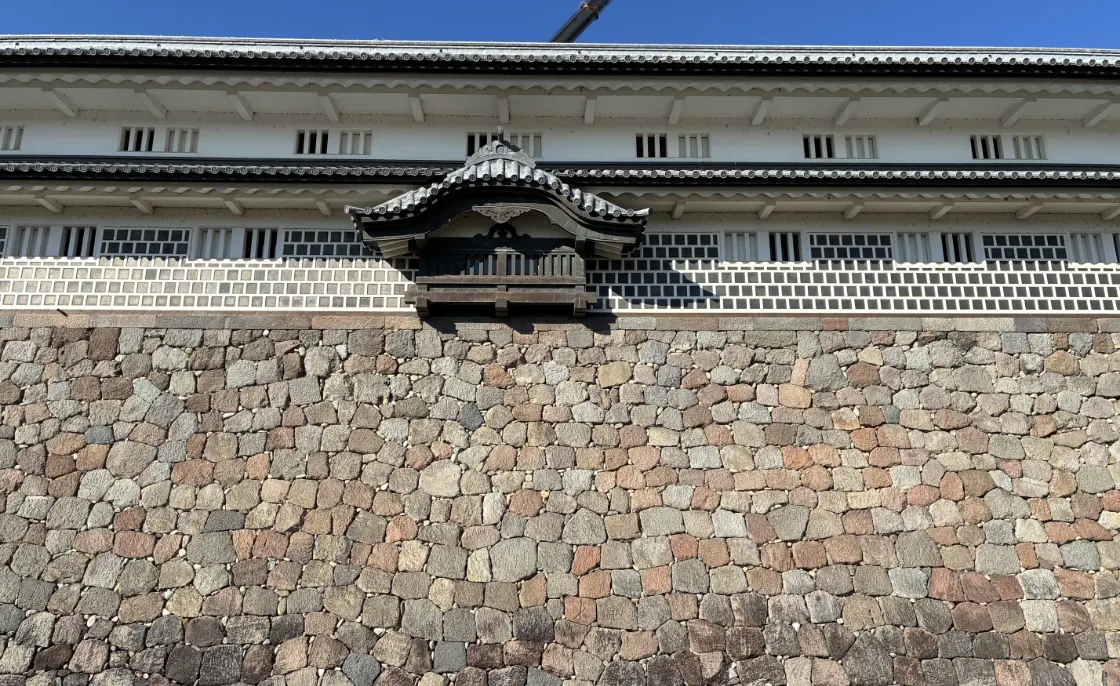
Ishikawa-mon Gate and Gojikken-nagaya Storehouse have bay windows, whose structure is called "dashi." With the "dashi" structure, the floor next to the window would open with the system called "ishi-otoshi," or stone dropping. By opening up the floor next to the window, you can see the moats and stonewalls very easily. If your enemies are invading, you can drop stones on them using this slot.
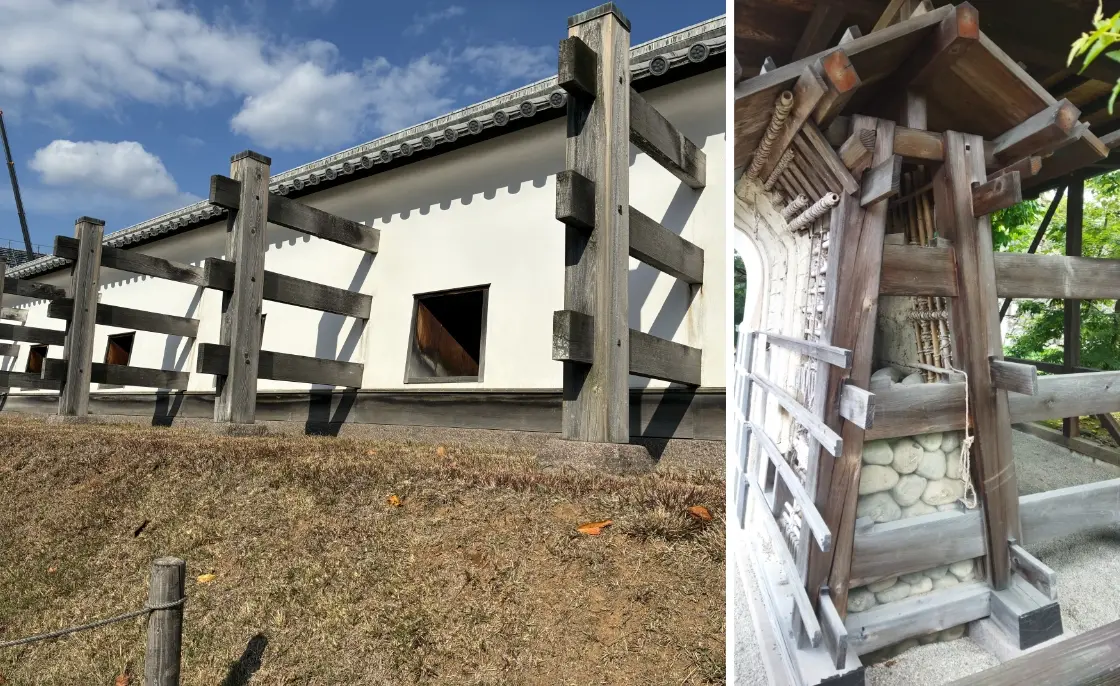
The earthen walls of Ishikawa-mon Gate Gate and Tsurunomaru are constructed in the namako-kabe style, and although they contain teppō-zama (gun ports) on the inner side, they appear from the front as uninterrupted namako-kabe walls. These concealed gun ports were designed to function in times of conflict by breaking through the tiles when needed.
In addition, the Tsurunomaru earthen wall is built in a style known as taiko-bori, in which the hollow interior of the wall is filled with small stones. These stones prevent bullets from penetrating the wall, and even if a hole is made, the stones immediately fall from above to fill the gap, thereby enhancing its defensive effectiveness.
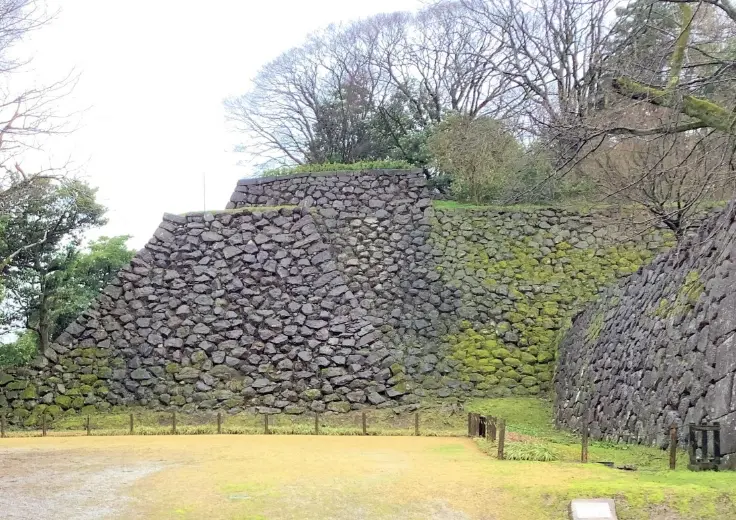
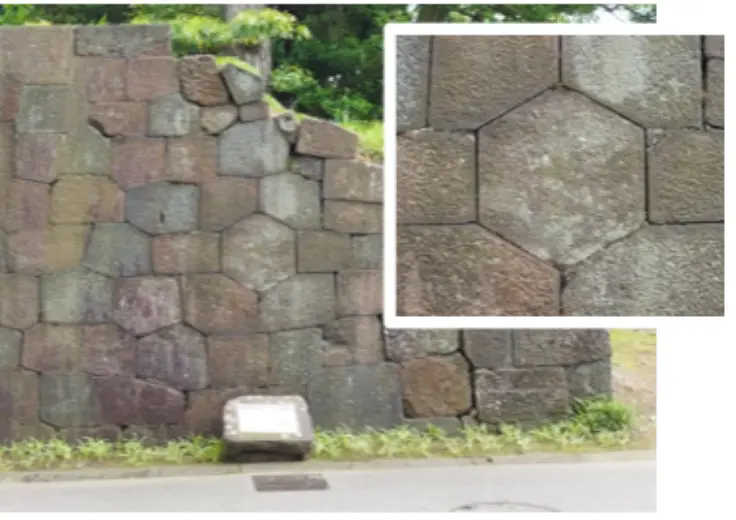
Museum of stone walls
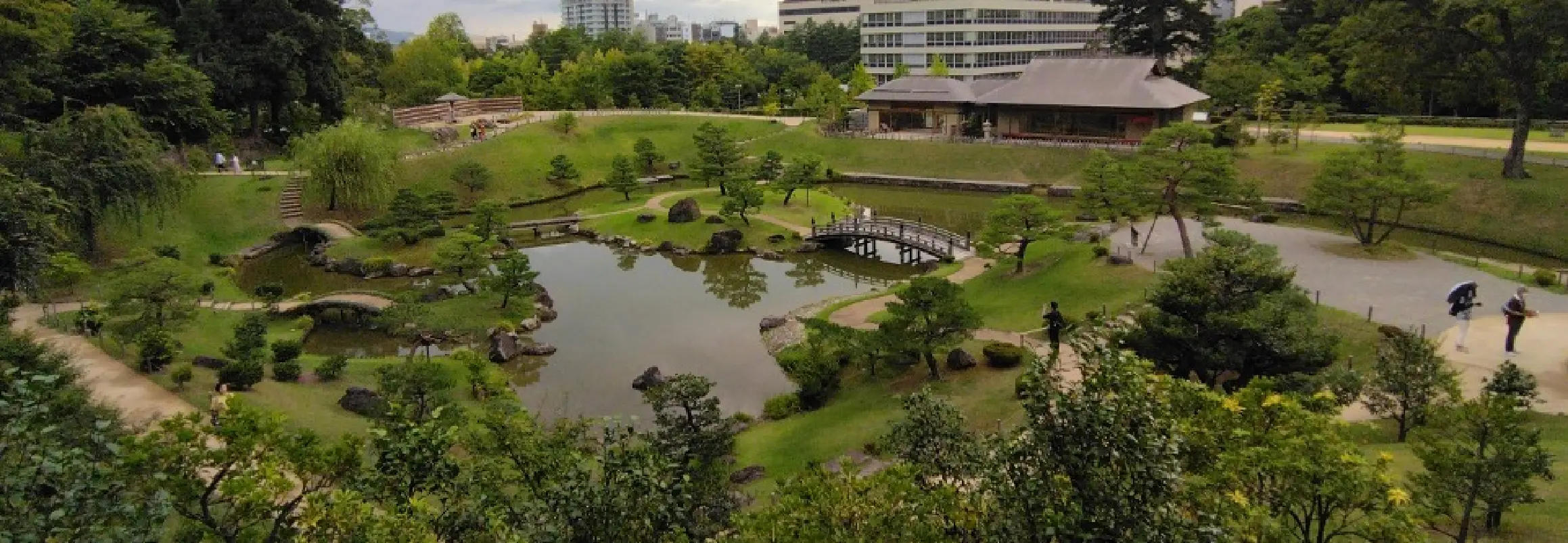
The Daimyo Garden Within the Castle Grounds
Layers of History
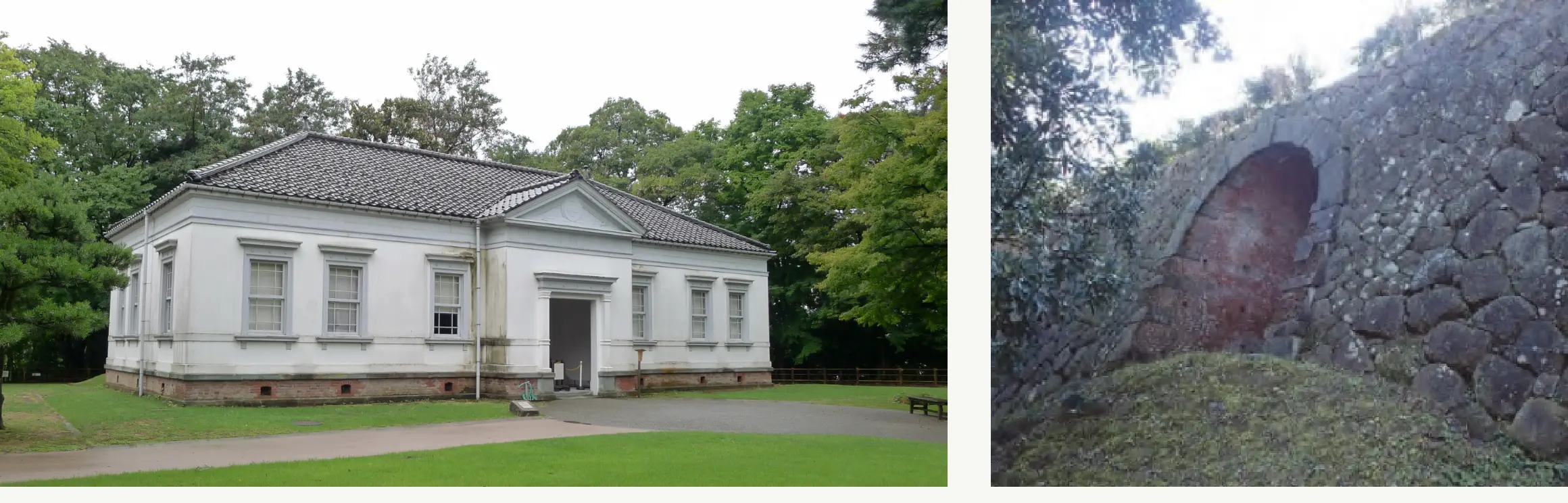
Former 6th Brigade Headquarter/A tunnel opened through the stone wall