Castle Construction Techniques
Castle Construction Techniques
In the restoration of Kanazawa Castle, not only traditional woodworking methods but also multiple specialized crafts were used—such as plastering for earthen walls, sheet‑metal work for installing lead tiles, and stone masonry for constructing castle stone walls.
Because restoration work continued continuously from the completion of the Hishiyagura Turret and Gojikken-nagaya Storehouse in 2001 (Heisei 13) to the completion of Nezumita-mon Gate in 2020 (Reiwa 2), Kanazawa Castle has also served as a place where craftsmen within Ishikawa Prefecture could apply and pass down their traditional skills.
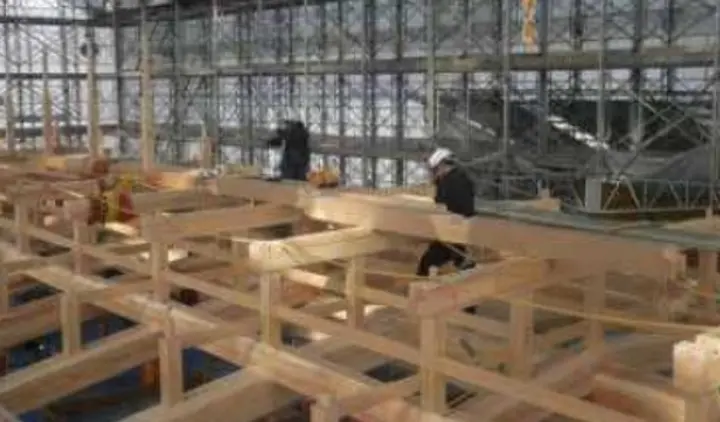
Carpenter assembling wooden structures
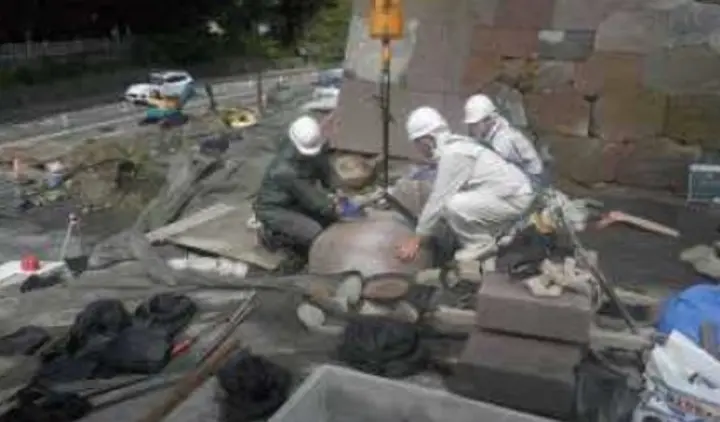
Stonemason setting foundation stones
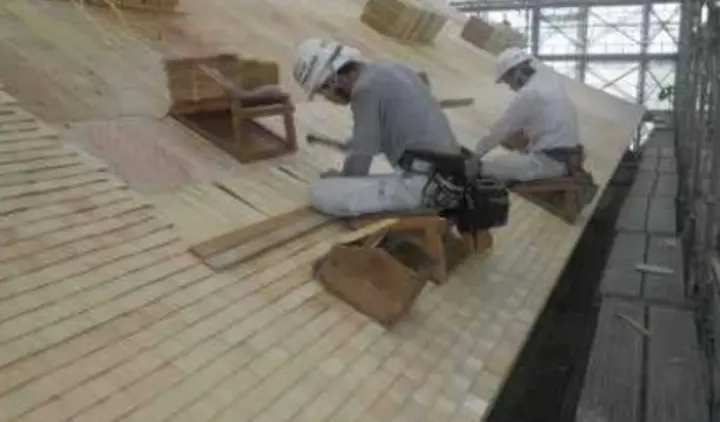
Craftsman preparing the earthen roof base (doibuki)
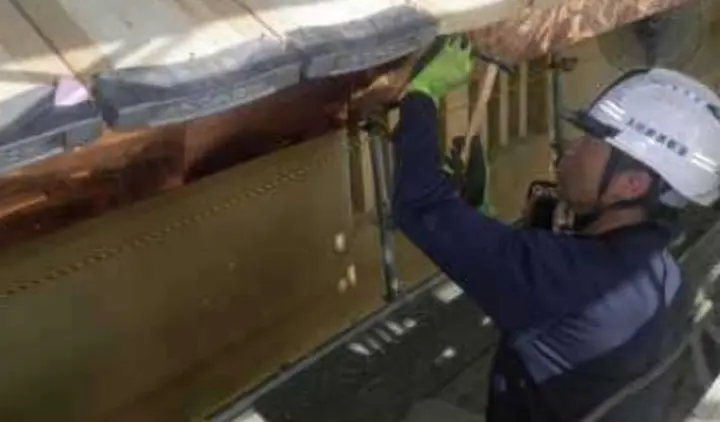
Sheet‑metal craftsman applying copper sheets

Tile craftsman installing tiles for namako‑kabe walls
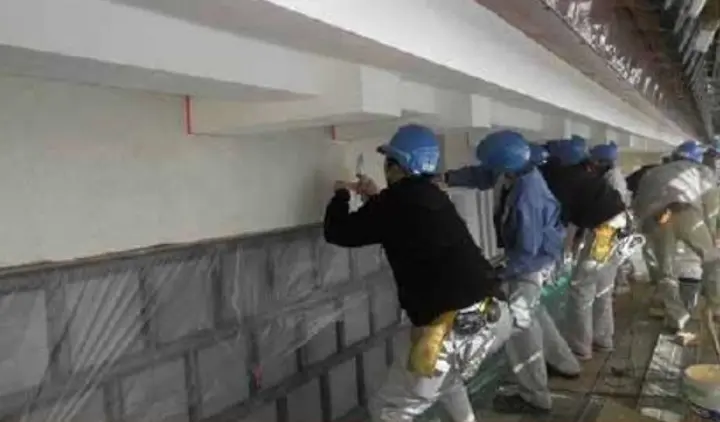
Plasterer finishing the plaster walls
Restoration Process of Hashizume-mon Gate
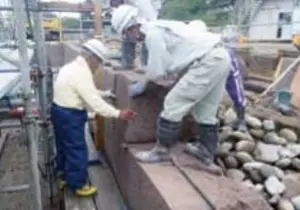
Stonework
Most of the stone used for Kanazawa Castle’s stone walls comes from Tomuro-yama, located about 10 km southeast of the castle.
The stone walls of the masugata enclosure at Hashizume-mon Gate are built using the cut-stone masonry technique, in which each stone is carefully shaped and fitted tightly together with minimal gaps.
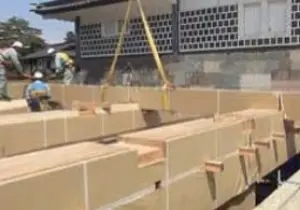
Woodwork
Hashizume-mon is constructed using traditional timber framing techniques.
The joints between columns and beams employ splicing methods without the use of nails or metal fasteners.
All timber used is sourced domestically, and approximately 55% is from Ishikawa Prefecture—primarily Noto cypress and cedar.

Plasterwork
The plasterwork for the earthen walls involves a multi-step traditional process.
Because each step requires a sufficient drying period, managing the schedule of the plasterwork becomes one of the most important aspects of the overall restoration timeline.
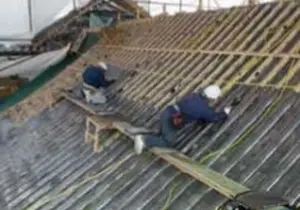
Roofing
Like the Ishikawa-mon Gate, Hashizume-mon Gate features lead tiles (namari-gawara).
Carpenters first prepare the shaped wooden base for the tiles, after which sheet‑metal craftsmen attach lead sheets approximately 1.8 mm thick to complete the roofing.
The tiles are initially gray, but gradually change to a silvery white as the lead oxidizes.
The round eave tiles (maru-gawara) bear the plum blossom crest (umebachi), the emblem of the Maeda family of the Kaga Domain.